How AI-Powered Videos Are Helping Caregivers in Cancer Care
AI-powered video tools help caregivers in cancer care by simplifying complex medical information, improving comprehension, and reducing emotional and cognitive burden. By delivering personalized, on-demand education, these tools support better adherence, confidence, and continuity of care.
Cancer Doesn’t Just Affect the Patient.
It impacts the whole family, and especially the person standing quietly in the background: the caregiver.
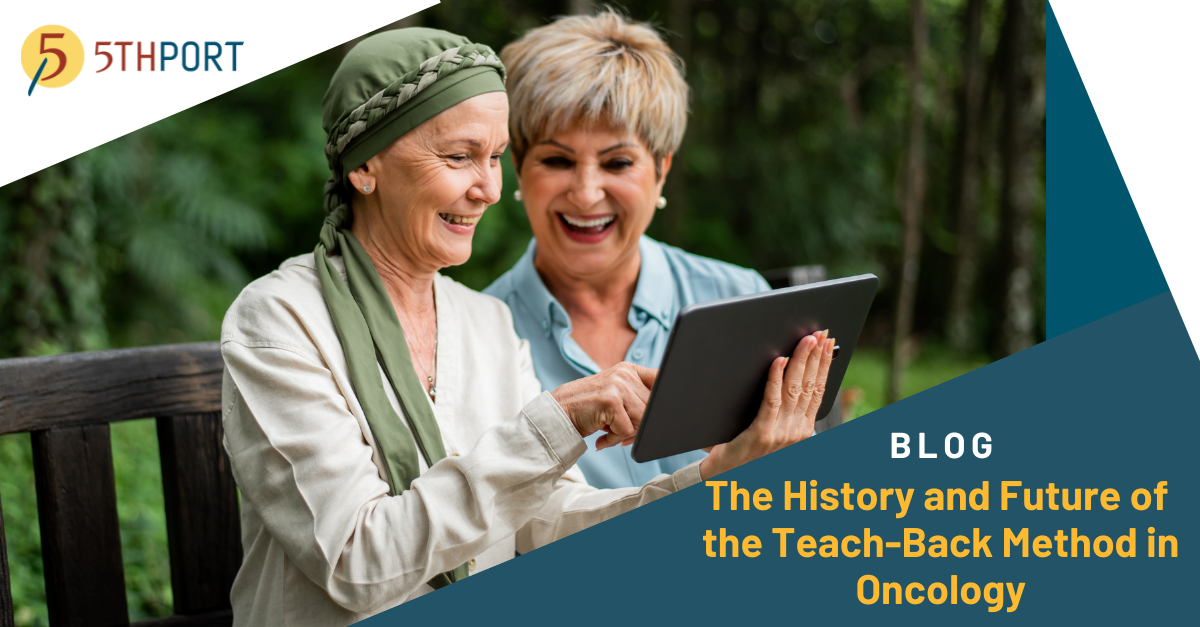
A caregiver might be a spouse, a parent, an adult child, or even a close friend doing their best to help. They show up to appointments, ask questions the patient might forget, take notes, make sure medications are given on time, and offer emotional support when things get hard. They don’t wear scrubs or stethoscopes. They may not have medical training. But they are a key part of the care team.
And yet, they’re often expected to learn everything on the spot. No training. No tools. Just absorb complex medical information and remember it all under stress. That’s not okay.
What Are AI-Powered Videos in Cancer Care?
AI-powered videos leverage artificial intelligence to create avatars of clinicians, nurses and even administrative staff to deliver personalized, easy-to-understand educational content to caregivers and patients. In cancer care, these videos can be adapted by healthcare providers based on a patient’s diagnosis, treatment stage/plan, language preference, and health literacy to support understanding outside of clinical settings, and in their own homes.
Why Caregiver Education Matters in Cancer Care
- Caregivers are responsible for managing medications, symptoms, and care coordination
- Poor understanding increases stress, burnout, and risk of errors
- Information overload during oncology visits limits retention and recall
Think about it: in cancer treatment, particularly in radiation oncology, caregivers often carry the mental load of managing appointments, coordinating care, and translating medical language into something the rest of the family can understand. But, most of the time they are too stressed or overloaded with information things slip through the cracks such as patients missing critical appointments, and/or medications getting mixed up. Caregivers burn out – and so do clinicians, trying to repeat the same information again and again.
It doesn’t have to be this way.
Impact of AI-Powered Videos on Caregivers
- Improves comprehension through visual and repeatable explanations
- Reduces anxiety by reinforcing information outside clinical encounters
- Supports adherence to care plans and follow-up instructions
- Enables caregivers to feel more confident and prepared
Use Cases of AI-Powered Videos for Caregivers
Here’s what caregivers get when using 5thPort:
- Available anytime – caregivers can access them from home, in the car, or while waiting at the hospital
- Simple to use – no portals or apps to download
- Tailored to their role – they speak directly to caregivers about how to support their loved one
Caregivers can receive a link to watch short videos with digital avatars of the patient’s healthcare team that explain:
- What the patient is going through
- What the caregiver needs to do
- How to prepare for upcoming steps in treatment
These videos are personalized, multilingual, and easy to understand.
Built-In Teach-Back
After the video, caregivers are able to answer questions to test their comprehension. This helps confirm they understood the key points.
5thPort tracks responses and lets the healthcare team review and analyze results of both the video and the comprehension quizzes. Adjustments can be made if the results are less than satisfactory.
Digital eConsent and Co-Signing
If caregivers need to review or sign-off on treatment plans, it’s all digital. 5thPort helps make sure it’s simple, fast, and secure. And support asynchronous electronic signatures – which essentially means that the you can sign forms that have been assigned to you, irrespective of when the patient signs their own forms.
It’s also often the case that there is more than 1 caregiver. In this case, 5thPort also supports multi-caregiver eSignatures.
Meet Maria*: A caregiver who needed more
Let’s talk about Maria*. Her husband, John*, was recently diagnosed with prostate cancer and was scheduled for six weeks of radiation. Maria took time off work to be his main support person.
She’s understandably nervous – there’s a lot to remember, and she wants to support John the best she can.
With 5thPort, Maria watches an AI-generated video of John’s Radiation Oncologist that explains:
- How radiation works
- What John might feel after treatment
- What she should keep an eye on
After the video, she takes a short quiz and realizes she misunderstood the timing of a prep medication. She reviews that part again and gets it right.
She signs the digital form, and everything is ready – no confusion, no missed steps.
Maria feels prepared. John feels supported. And the nurse doesn’t have to re-explain things.
So, why do clinics and hospitals trust 5thPort?
By using 5thPort’s AI tools, care teams:
- Save time during consults
- Have higher quality patient conversations
- Reduce waiting room times
- See more patients
- Feel less burned out
Read our case study to learn more.
FAQ’s about AI and caregiver education within 5thPort:
- Can 5thPort track whether a caregiver watched the video or completed the quiz?
Yes. 5thPort’s platform includes detailed reporting that shows when content was viewed, how questions were answered, and whether education was completed. This helps ensure that everyone is on the same page.
- What happens if a caregiver doesn’t finish watching the video?
The 5thPort system saves your progress and you can come back anytime, helping ensure nothing gets missed.
- Can we see analytics across multiple departments?
Yes. 5thPort offers department-level and organization-wide reporting so administrators can see trends, gaps, and areas for improvement in both patient and caregiver education – and take action on it immediately.
- What languages are caregiver videos available in?
5thPort supports multilingual content in 90+ languages. Videos and quizzes can be translated or created in multiple languages so caregivers with limited English proficiency can still fully understand the information. - Can we customize the caregiver videos to match our needs?
Yes. 5thPort allows hospitals and clinics to tailor caregiver education video content to better fit your protocols, clinical workflows, consent form processes, and even messaging. You can brand it to your hospital, too.
- How do we make sure that the caregiver is the one actually watching the video?
5thPort can send personalized access links and log caregiver acknowledgment through secure tracking features. We are also HIPAA, 21 CFR Part 11, SOC-2, GDPR, and GCP compliant and take security very seriously.
In conclusion, caregivers in cancer care are essential…
…and they deserve the same clarity, reassurance, and digital support we give patients.
Healthcare organizations are increasingly viewing AI-powered caregiver education as a foundational component of modern cancer care delivery rather than a supplemental resource. Want to see how 5thPort’s AI-powered education tools can support families and loved ones without adding more work to your team? Reach out to learn more.