Remote eConsent in the COVID-19 Era
Summary of Article
Remote eConsent allows patients to review and sign informed consent documents digitally before appointments. During COVID-19, it reduced in-person contact, improved patient understanding, accelerated workflows, and strengthened compliance through secure audit trails. Remote eConsent continues to support telehealth, decentralized trials, and modern patient engagement beyond the pandemic.
What Is Remote eConsent?
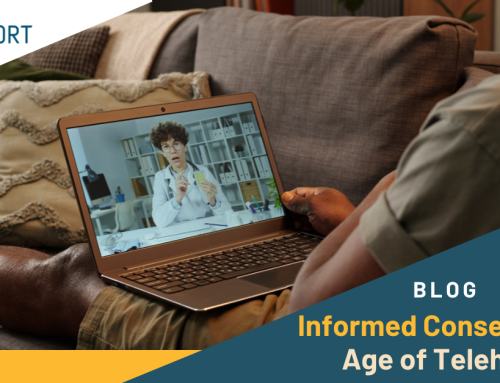
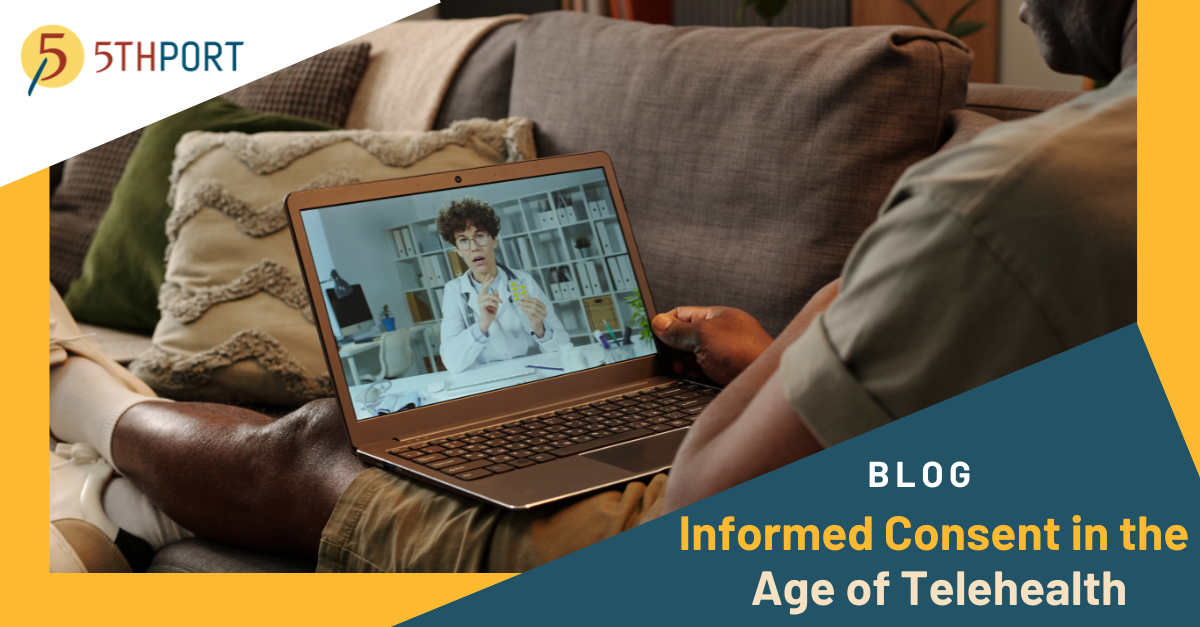
Remote eConsent is a digital process that allows patients or research participants to review, understand, and electronically sign consent forms from any device.
It replaces paper-based consent with secure, HIPAA-compliant workflows that include electronic signatures, timestamps, and audit trails.
Why Remote eConsent Became Critical During COVID-19
Although digital informed consent solutions (aka, eConsent software) have been in the marketplace for many years, their adoption has been slow. For the most part, doctors and medical professionals have remained steadfast in their approach to the informed consent process. The traditional process is simple and straightforward enough that it hasn’t required any real change – until now. It’s hard to believe that in 2020, many healthcare professionals still rely on paper informed consent forms.
In light of the recent COVID-19 pandemic, healthcare organizations around the globe are racing to update their day-to-day protocols in order to meet new standards, protect their workers, and in some cases like clinical trials, begin to operate their business again. Remote eConsent:
Reduced physical contact and shared surfaces
Enabled consent outside clinical facilities
Supported telehealth and remote research participation
While COVID-19 accelerated adoption, remote eConsent has since become a standard tool for patient safety, efficiency, and decentralized care models.
New Challenges With The Old Process
In the ERA of COVID-19, the parking lot has become the new waiting room for patients/subjects and their caregivers. Whereas both parties were welcomed into offices just a few months ago, now the patient/subject is the only one allowed to enter the hospital or office and their caregiver is required to stay outside.
The process of carrying clipboards with informed consent to cars, although riddled with inefficiencies might be acceptable when the weather is nice, but when it’s raining, cold and/or snowing, this process will no longer be appropriate.

The other inherent challenge with the parking lot paperwork is exposing staff members to many unnecessary risks such as being hit by a car, slipping on wet pavement, and close interaction with more people, increasing the risk of contracting COVID-19.
Janet Woodcock, director of the FDA’s Center for Drug Evaluation and Research, recently stated: “Even informed consent has to be re-thought in an era where you don’t want to be passing papers around amongst various parties.”
Key Benefits of Remote eConsent Software
- Remote eConsent – Most of the eConsent software solutions on the market require a 2-step process, meaning the patient/subject must sign in front of the healthcare provider, the healthcare provider then signs, and some states even require a witness to sign as well.A one step process, on the other hand, allows for a complete remote digital experience. The eConsent form link is emailed to the patient/subject, they can review it prior to the surgery in the privacy of their home with caregivers, and signatures are captured from a smartphone, tablet, or desktop computer. When the provider sees they have completed the eConsent process, they sign in the same manner and the entire process is complete and stored in a HIPAA compliant database for future reference if needed.
- Patient/Subject Engagement – Remote eConsent software gives patients/subjects more time to read and comprehend the risks and options available to them before a medical procedure or prior to deciding to participate in a clinical trial. Studies show an engaged patient/subject produces better outcomes and helps solidify the doctor/patient/subject relationship.
- Efficiency – As with most paper-based processes, moving to a digital process is much more efficient. If you think about it, using paper informed consent forms requires many small steps that are extremely inefficient. They are to open the form, fill it out by hand, print, hand it to the patient/subject, retrieve the form from patient/subject, and scan and attach it to the patient/subject file. On the flip side, digital informed consents can be generated in seconds, emailed to the patient/subject, reviewed, signed by the patient/subject or caregiver, and can be completed and accessed by staff for final signature from the doctor.
- Safety – Remote eConsent software post COVID-19 helps to minimize face-to-face interaction and eliminates the possibility of spreading the virus on clipboards, pens, and paper. The fewer items you touch, the fewer items that need to be sanitized. The chain of touches with paper involves 5 separate “touches” to spread viral exposure. Front desk person printing the document, assistant/nurse presenting to patient, patient, back to assistant/nurse, back to front desk to scan into system. Remote eConsent has zero touches between staff and patients.
- Accuracy – With most front-office manual processes, accuracy is diminished when compared to going digital. Many healthcare organizations and Clinical Research Organizations (CRO) are rightfully concerned about having the patients/subjects sign the wrong versions of the informed consent forms or papers getting lost in the shuffle. A Johns Hopkins study found consent forms were missing for 66% of surgical patients/subjects, which resulted in one out of ten cases being delayed. With eConsent software, participants can complete the forms on their own time, flag sections they want further information from their doctor about and ask questions directly on the form itself. All of these features are date and time stamped creating an audit trail if a dispute arises down the road.
Compliance and Security Considerations
Remote eConsent platforms like 5thPort, are designed to support HIPAA, IRB, and regulatory requirements.
Features such as timestamps, version control, and access logs help ensure defensibility and audit readiness.
Common Healthcare and Research Use Cases for Remote eConsent
Clinical trial participant consent
Pre-procedure and surgical consent
Telehealth and virtual care onboarding
Screening acknowledgements (for example, COVID-19, Influenza A, Norovirus etc)
Decentralized and hybrid research studies
Conclusion:
Remote eConsent is no longer just a pandemic response – it is a foundational component of modern patient engagement, decentralized research, and digital healthcare operations.